Thanks to a climate with very favourable weather for this kind of crop, Salento, together with the whole Ionian arc of Apulia and Basilicata, was singled out as an area of strategic interest in which to develop tobacco growing. As early as 1812, under the Kingdom of Naples, the first “Salento Leccese Tobacco Factory” was established in Lecce. The History of Tobacco and of the tabacchine – the women who worked in tobacco – in Salento is undoubtedly a milestone in tracing the fortunes of a people with a clearly defined identity. To this day the tabacchine are remembered as a symbol of women devoted to work and family, and of the women's proletarian revolt of the 1900s.
Between the First and Second World Wars, my ancestors PAGLIARA GIACOMO FRANCESCO (*02/07/1887 +18/01/1958) and BORLIZZI MARIA CRISTINA (*04/10/1890 +31/12/1974), having learnt how to grow tobacco working for others and as sharecroppers (first in the province of Matera - at Bernalda and Marconia - and then in the province of Taranto - at Sava and Lizzano), decided to start growing tobacco on their own account on the land they owned in the countryside of Diso.
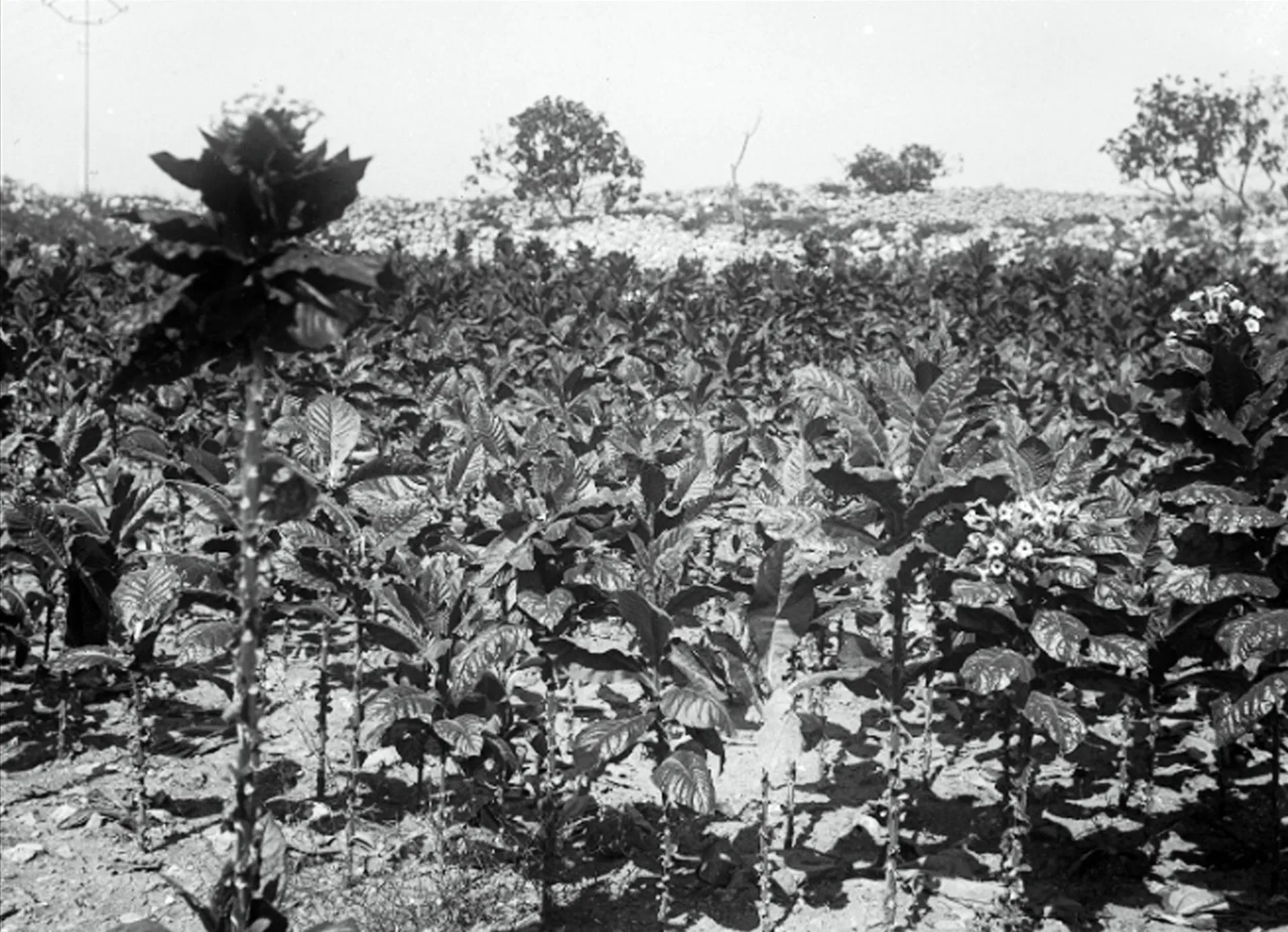
They first began growing it in the Campo San Vito district and later "alli ferareddrhi", along the country lane known as vicinale Doleo. Tobacco growing in our family therefore began around the 1940s and was then carried on by my parents PAGLIARA SALVATORE (*15/11/1934 +08/11/2008) and DE SANTIS CARMELA (*19/05/1939 ) until the early 1980s. The farmhouse now called "Masseria Ferarelli" is nothing other than an old storehouse where the tobacco was stored and kept before being processed and prepared for delivery to the factory certified by the State Monopoly.
For several years, rented fields were added to the family's own land to increase production of what was the main crop of the Lecce area of Salento, a crop that kept whole families at work all year round. My mother Carmela was a tabacchina and a member of the "Cooperativa tra Tabacchicoltori La Contadina di Castiglione d'Otranto", a tobacco growers' cooperative, for its entire working life, until its final liquidation in the mid-1980s.
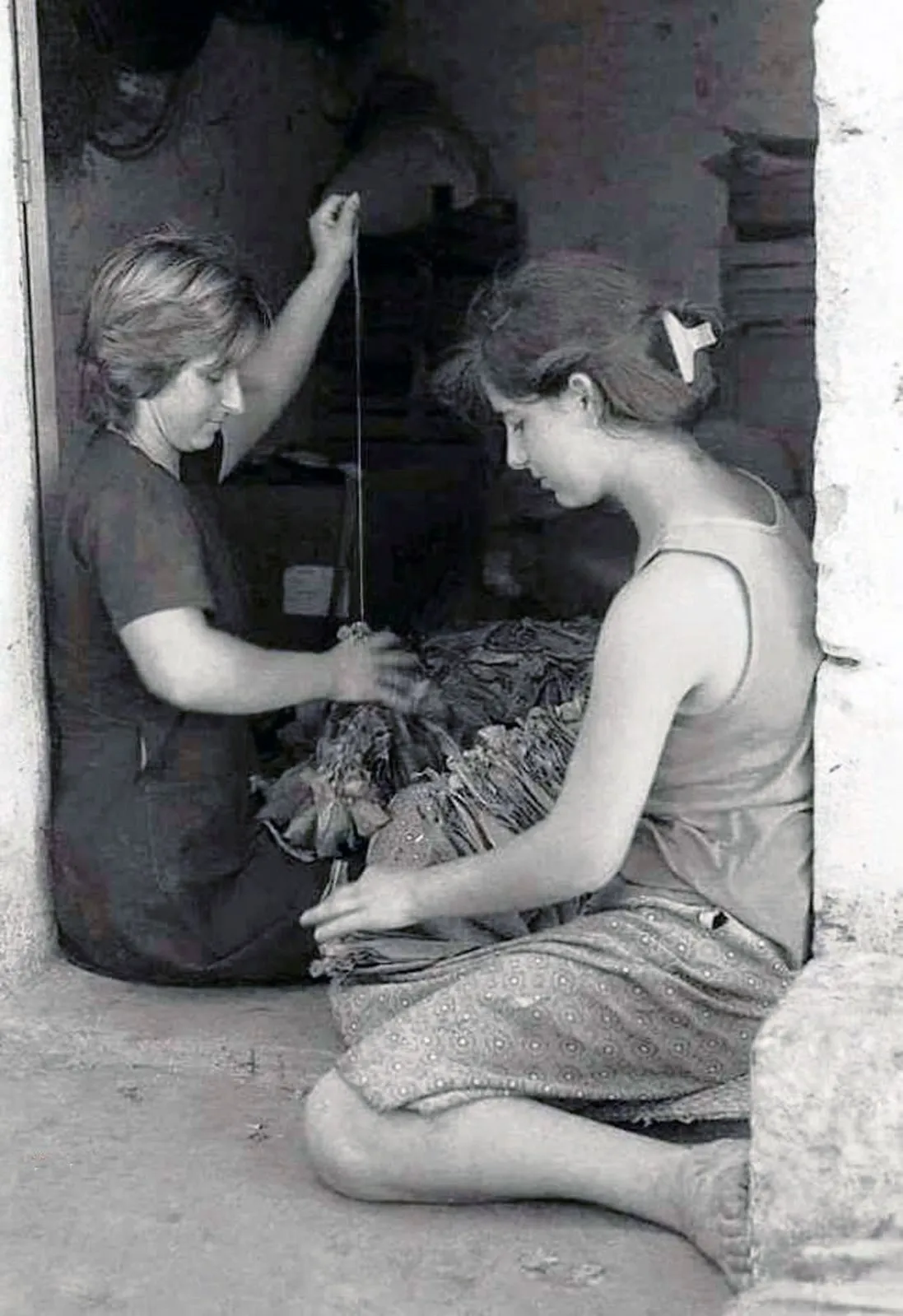
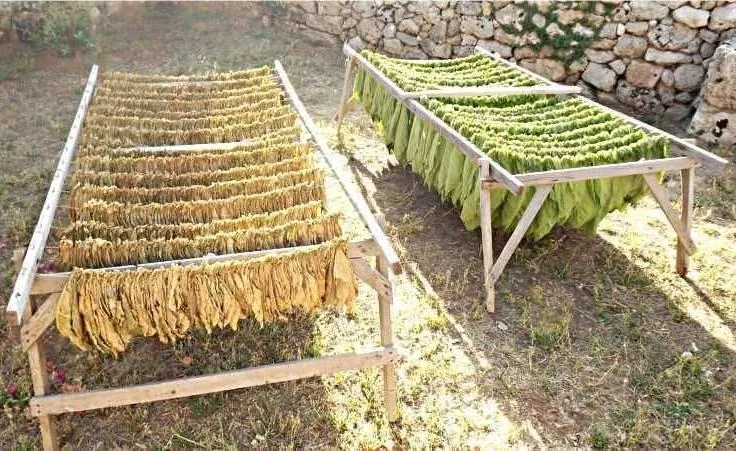
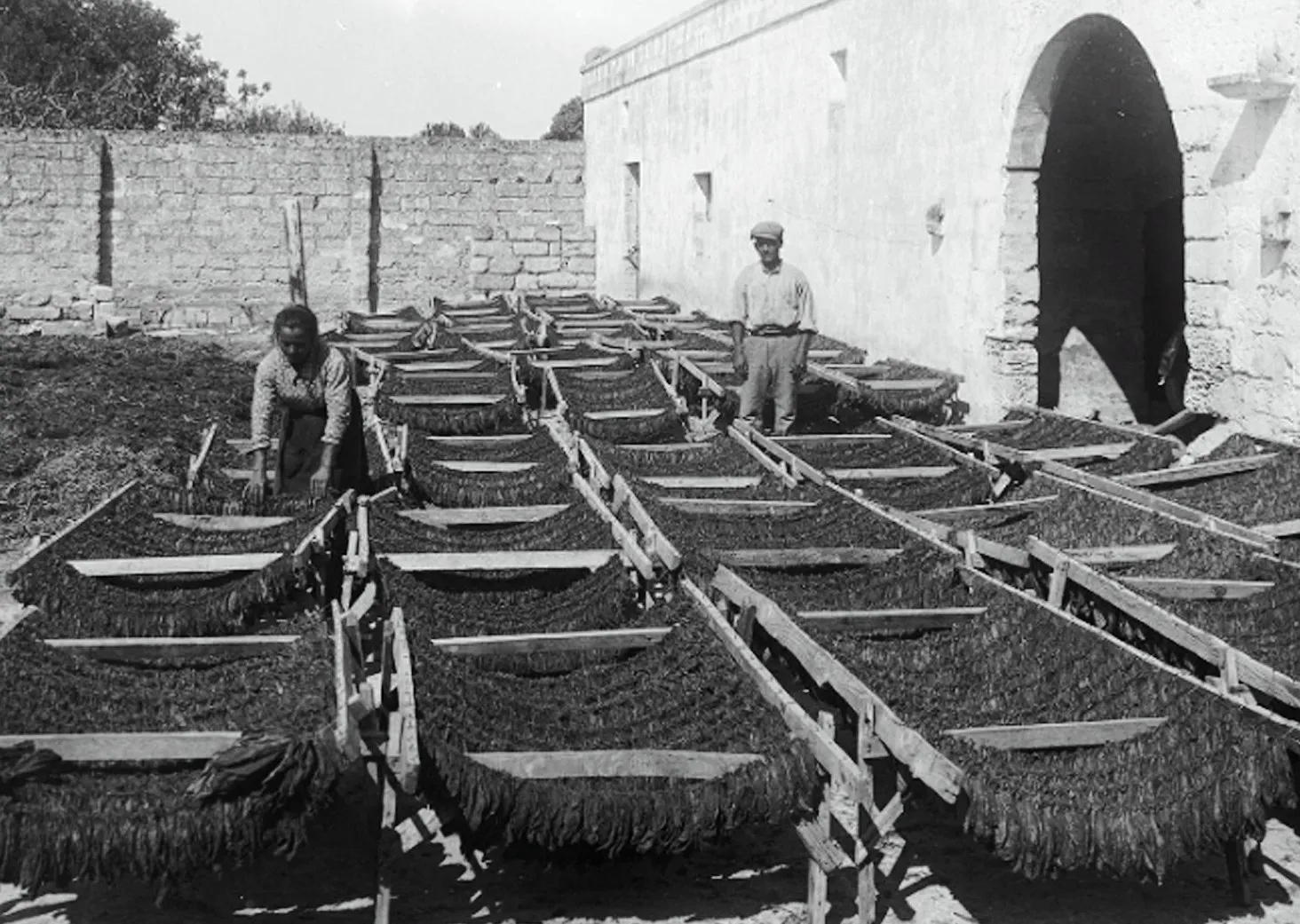
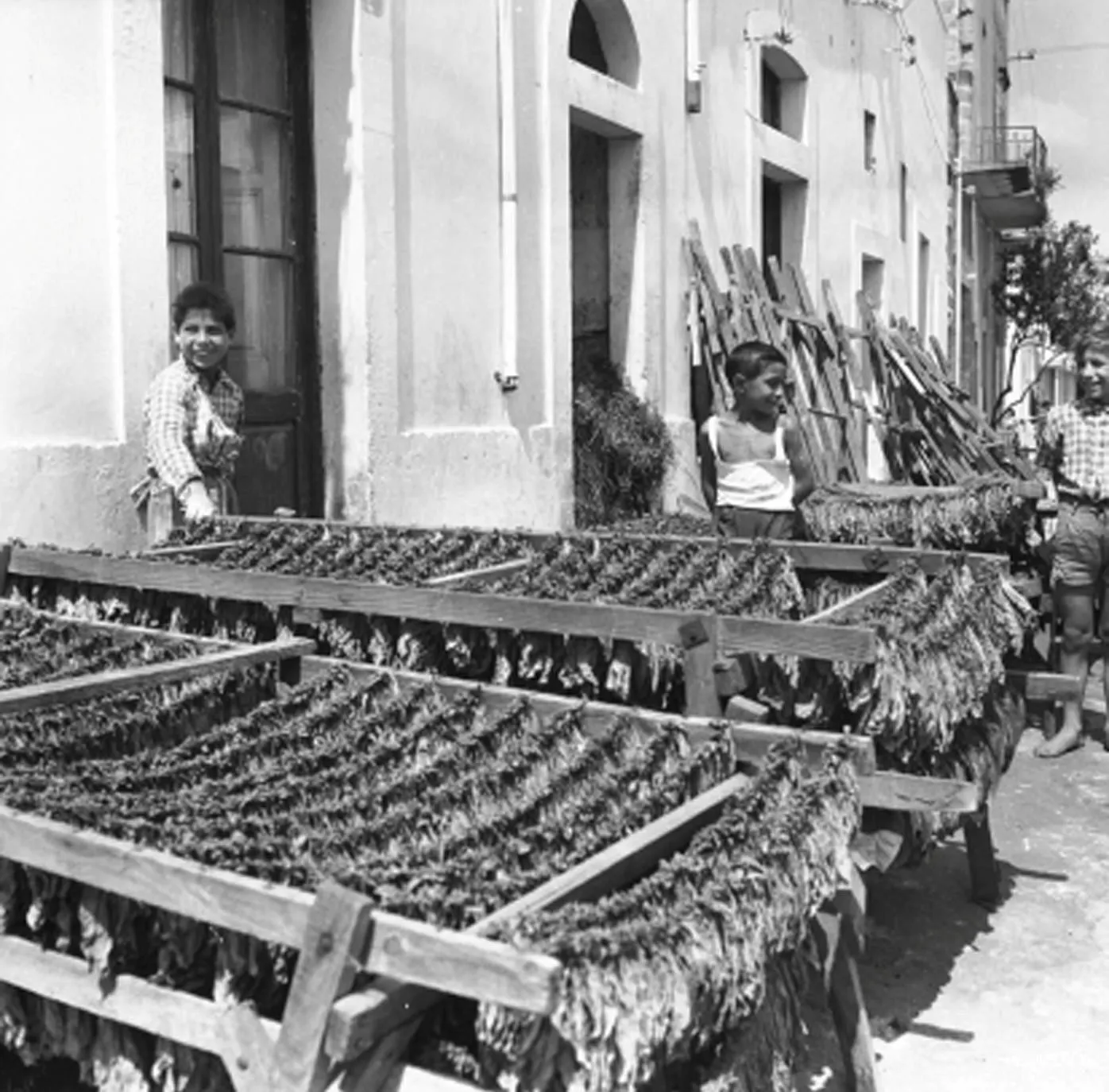
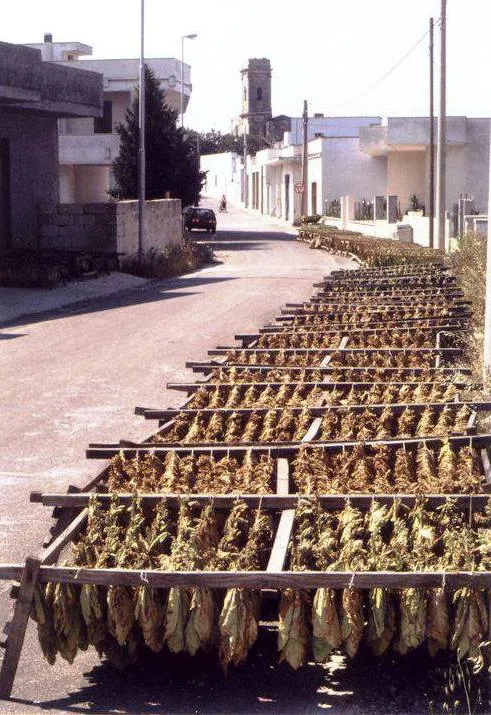
The "taraletti" racks laid out to dry in the sun, the strong, pungent aroma of tobacco drying in the storehouse, the sticky sap of the leaves on our hands at harvest time, and the pain in our fingers as they struck the tip of the "acuceddrha" needle while threading the tobacco leaves: all of this brings back vivid memories of those times and of those scorching summers spent in the countryside "helping" the family in what was a truly collective effort.

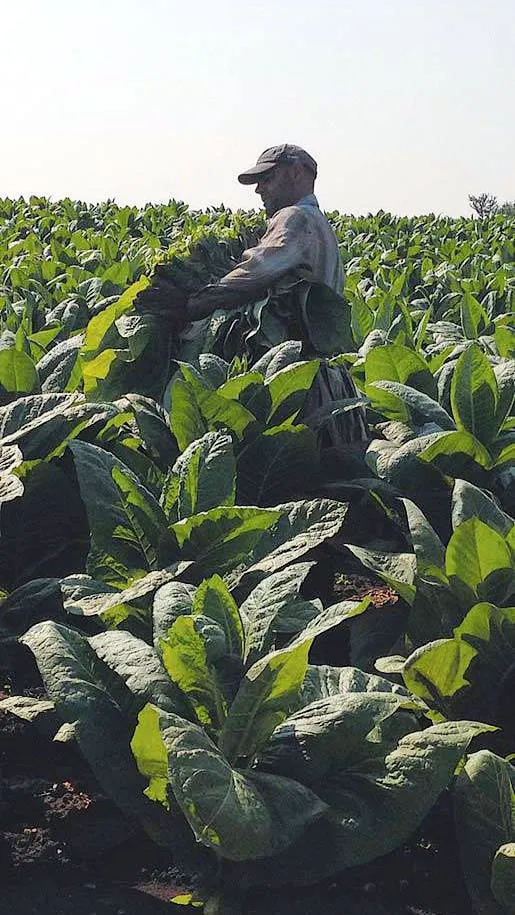

The growing cycle began in January-February with the preparation of the "ruddrhe" seedbeds and the sowing of the varieties most widespread in this area, the Levantine types from the nearby Balkans: Perustizza, Xanti Yakà and Erzegovina. To prepare the seedbeds, families used the manure of the animals they kept for food and for transport, such as sheep, goats, horses and donkeys. A layer of well-matured "rumatu" manure was spread at the bottom of the seedbed, and then the tobacco seeds were sown together with ash. To help the seeds sprout and to nourish the seedlings, the seedbed was watered every day and covered with a transparent sheet that let the sunlight through.
The rest of the manure was used to fertilise and prepare the fields where the actual seasonal tobacco planting would take place. Around mid-April, with the arrival of fine weather, the seedlings raised in the seedbed were ready to be transplanted into the open field. They were carefully lifted from the seedbed, taking care to keep the roots intact, and placed in “cascette”, small wooden crates, covered with a damp jute cloth before being transplanted into soil that had already been ploughed and manured. The plantation was laid out in rows about 30 cm apart, with the seedlings about 20-25 cm from one another. To mark out the rows, a tool weighted on top to help it bite into the soil was dragged across the field by sheer arm strength; this tool was called the "traja".


The unwritten rule was that in the morning the men prepared "la chiantime", that is, the seedlings, lifting them from the seedbed. The men also made the rows with the "traja", while the women set the seedlings along the rows with the "palo", a planting stick. It was the men's job to water the newly transplanted seedlings with the "n'dacquaturu" watering can. The transplanting itself usually took place in the afternoon, so that the seedlings just set in the field could spend the night in the cool and would not be exposed to the sun in the first hours after transplanting. Watering had to be repeated every day during the first week after the tobacco seedlings were planted out. Besides watering, for the tobacco to grow strong and lush it had to be "sarchiatu" often, meaning the plantation had to be cleared of the weeds that would otherwise slow its growth, to the detriment of the harvest.
Towards the end of May the leaf harvest could begin; the leaves were taken home and threaded with the "acuceddrha" needle and "spagu" twine into "filari", strings of leaves that were then placed on special wooden frames known, as we said, as "taraletti". The "taraletti" were used to dry the strings of tobacco leaves in the sun. Each "taraletto" held 20-22 strings. When the sun-drying stage, which lasted no less than a month, was over, the strings of tobacco from a single "taralettu" were gathered into a bundle of dry strings and hung in dedicated storehouses to continue curing. The tobacco from one "taralettu" was gathered into a single bundle, tied with the same twine, called a "chiuppu".
At the end of the harvesting and drying season, the tabacchine helped one another with the "ballatura", the making of "ballette", or bales: special wooden crates were used to press the "chiuppi" of tobacco into packs, which were sewn up with a tool like a large needle, the "saccurafia", using rope and jute cloth, so that the bales came out similar in weight and shape. This work was done on days when the scirocco blew, that is, on humid days, so that the dry tobacco leaves would not crumble during pressing.
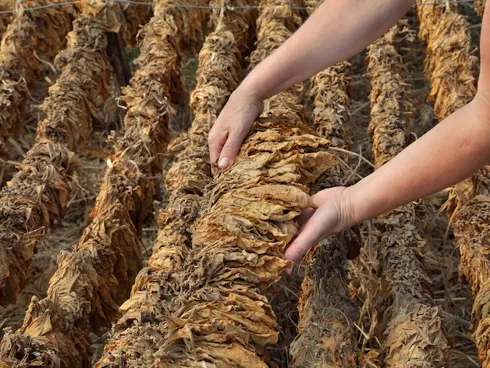
Going back to the leaf harvest, it is worth remembering that picking started with the leaves at the bottom of the plant and gradually worked its way upwards. The first picking, or "ccota", was usually not of the finest quality, as these leaves were closest to the base of the plant and therefore to the ground. Indeed, the leaves of the first picking often carried traces of soil that lowered the final quality of the product.
The second and third "ccota", on the other hand, were the best, and they counted most towards the final grade given by the agricultural expert who assessed the tobacco "partita", or lot, on delivery. The fourth "ccota" and the final one, which gathered all the leaves up to the top of the plant, were the hardest to dry: being greener, so late in the season, they had to be dried thoroughly so as not to compromise the final quality of the whole crop. The last picking, which stripped every remaining leaf from the stem, was also called the "puntalora", because all the leaves left on the plant were harvested right up to the tip. During this last part of the harvest, the tabacchine took care of another very important and delicate task: selecting the plants that had developed a good flower, which was then dried to produce the seeds to be used the following year to make the seedbeds and start the production cycle all over again.


I was born and spent my childhood in a farming family devoted to growing tobacco, the last of three generations of tobacco growers. When this economic system collapsed, moving into other sectors and other jobs was inevitable for all of us who were young in the 1970s. In 2018, with my wife Cristina and under the curious eyes of our children Alice and Jacopo, we placed our bet once again on the land and on our territory, on our roots, completely restoring the farmhouse inherited from my parents, now named Masseria Ferarelli. Our "return to the land" bears no comparison with the sacrifices of our ancestors, the men and women of the past, and does not come close to them, but we are convinced it helps us understand better who we are and where we come from. Wanting to restore the places that witnessed so much sacrifice, but also so much sharing and conviviality, is simply a way of preserving the essence of it all. The idea of rural hospitality we have in mind, and that we try to offer our guests every day, is the best way to share the Salento of those years and make it known.
by Filippo Pagliara
credits: our thanks to Dr Antonio Bruno for the archive photos