Skip to content
Masseria Ferarelli
A Distinctive Architectural Feature

February 22, 2022

A Distinctive Architectural Feature

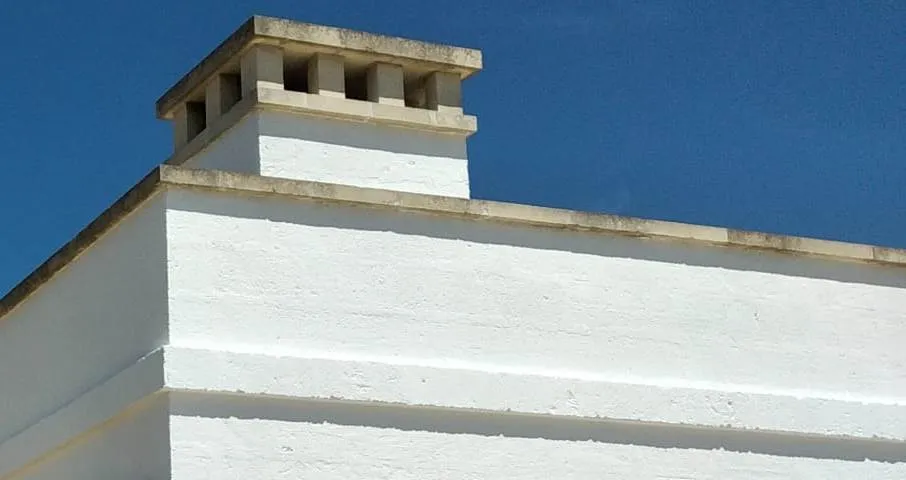
As our distinctive architectural feature we chose a chimney pot – or rather, our very own chimney pot!

The chimney is connected to the fireplace (focalìre, cantune). That very fireplace which, to our mind, is one of the most important places in a masseria.

The fireplace was where people met after a hard day’s work in the fields; it was where families gathered after dinner, often joined by their neighbours.

Around the fireplace, the "cantune", in the warmth of the fire, people talked everything over. It was a place where age-old knowledge was handed down: how to tend the crops, the lunar phases for sowing vegetables, pulses, wheat, barley…

The most experienced (the eldest members of the family) talked at length about the best methods and techniques for grafting, especially onto wild rootstock, or the best ways of clearing the land of stones, which were then laid into our classic dry-stone walls, while the youngsters and children played around this part of the house, which was the warmest of all.

So in the past the fireplace served many purposes, such as heating, cooking, drying clothes… but its social role was without doubt the most important, and it helped individuals grow and rural society and culture develop.

You might also like

The Citrus Grove Arab Garden (Čahār Bāgh)

The Citrus Grove Arab Garden (Čahār Bāgh)

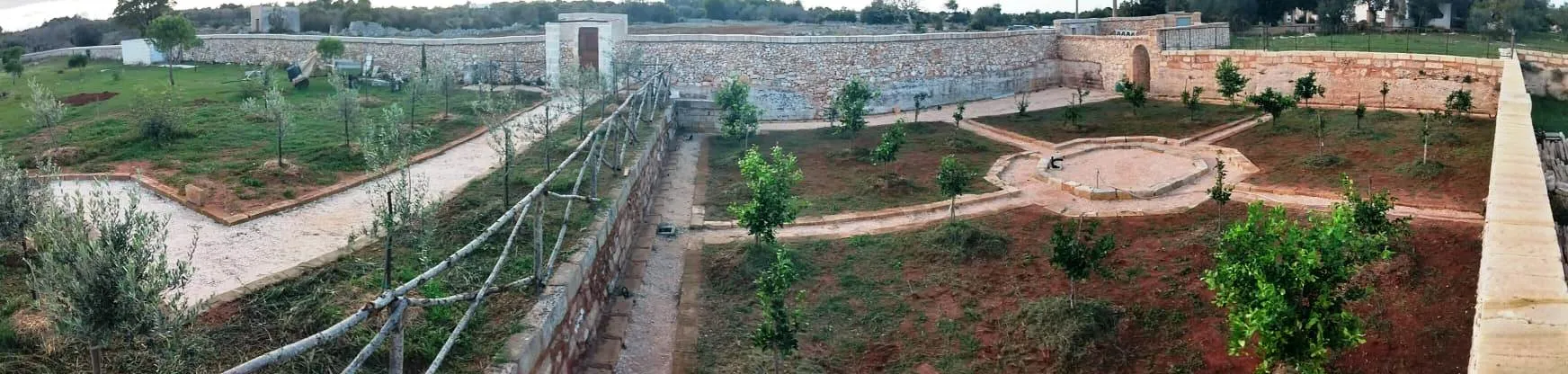
Our Citrus Grove takes its inspiration from the canons of the Arab Garden, seen as the expressive quality of the land brought out through human care, embracing the themes of water and shade. Its most recognisable architectural feature reflects the quadrilateral layout of the Charbagh (in Persian, "čahār" means 'four' and "bāgh" means 'garden'), with four smaller sections divided by paths. The number four and its multiples are constants in the planning and making of an Arab Garden. Unlike the English landscape garden and the Italian formal garden, often designed for strolling, the Arab or Persian Garden is meant for rest, reflection and contemplation. One of the main aims of the Persian or Arab garden is to offer a sensory experience that goes beyond sight, created through the scents and fragrances of its plants and the skilful use of water, aromatic herbs and flowers.

Tobacco Growing at Masseria Ferarelli Trepizzi

Tobacco Growing at Masseria Ferarelli Trepizzi

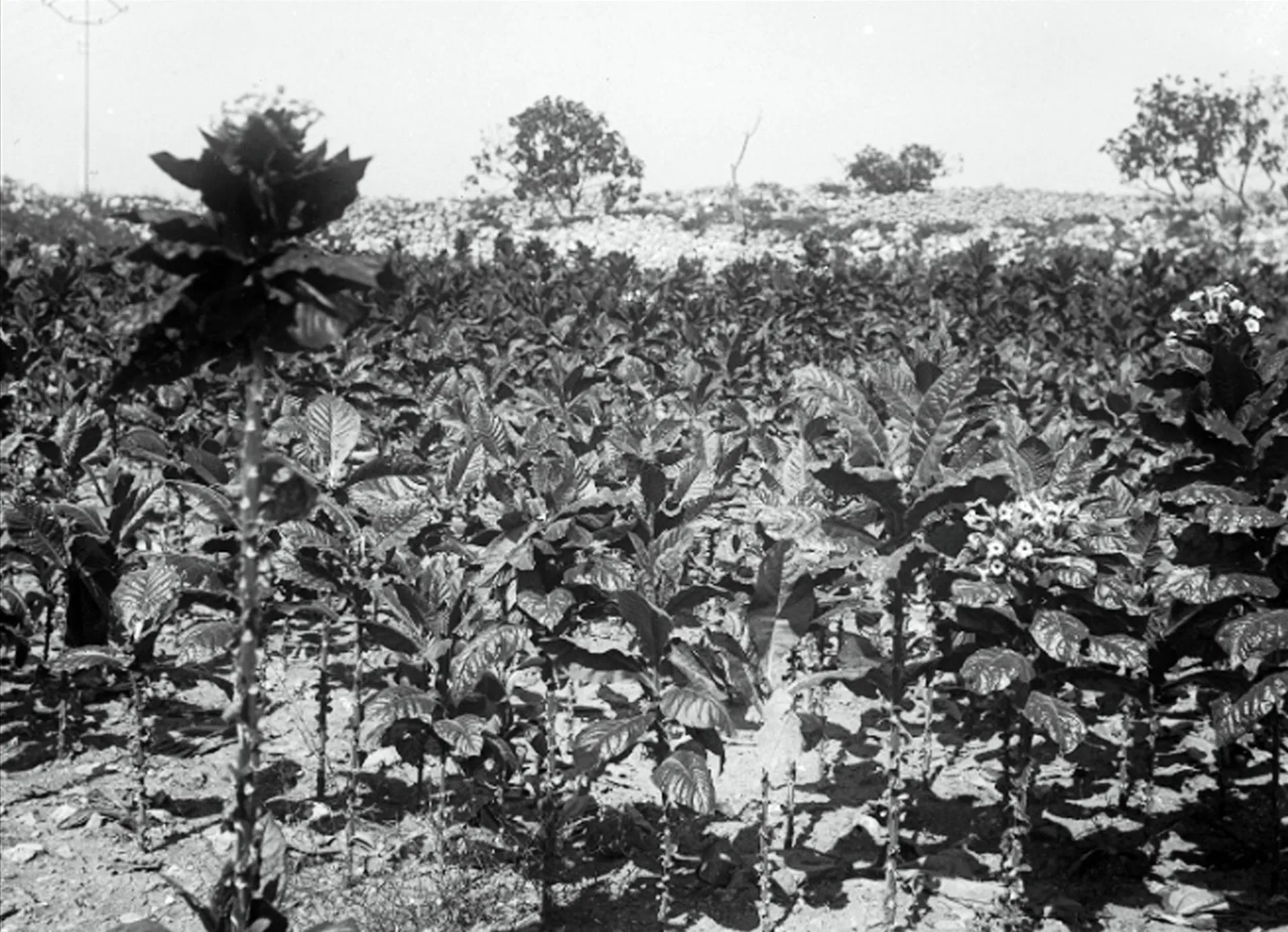
Thanks to a climate with very favourable weather for this kind of crop, Salento, together with the whole Ionian arc of Apulia and Basilicata, was singled out as an area of strategic interest in which to develop tobacco growing. As early as 1812, under the Kingdom of Naples, the first “Salento Leccese Tobacco Factory” was established in Lecce. The History of Tobacco and of the tabacchine – the women who worked in tobacco – in Salento is undoubtedly a milestone in tracing the fortunes of a people with a clearly defined identity. To this day the tabacchine are remembered as a symbol of women devoted to work and family, and of the women's proletarian revolt of the 1900s. Between the First and Second World Wars, my ancestors PAGLIARA GIACOMO FRANCESCO (*02/07/1887 +18/01/1958) and BORLIZZI MARIA CRISTINA (*04/10/1890 +31/12/1974), having learnt how to grow tobacco working for others and as sharecroppers (first in the province of Matera - at Bernalda and Marconia - and then in the province of Taranto - at Sava and Lizzano), decided to start growing tobacco on their own account on the land they owned in the countryside of Diso.

Dry-Stone Walls

Dry-Stone Walls

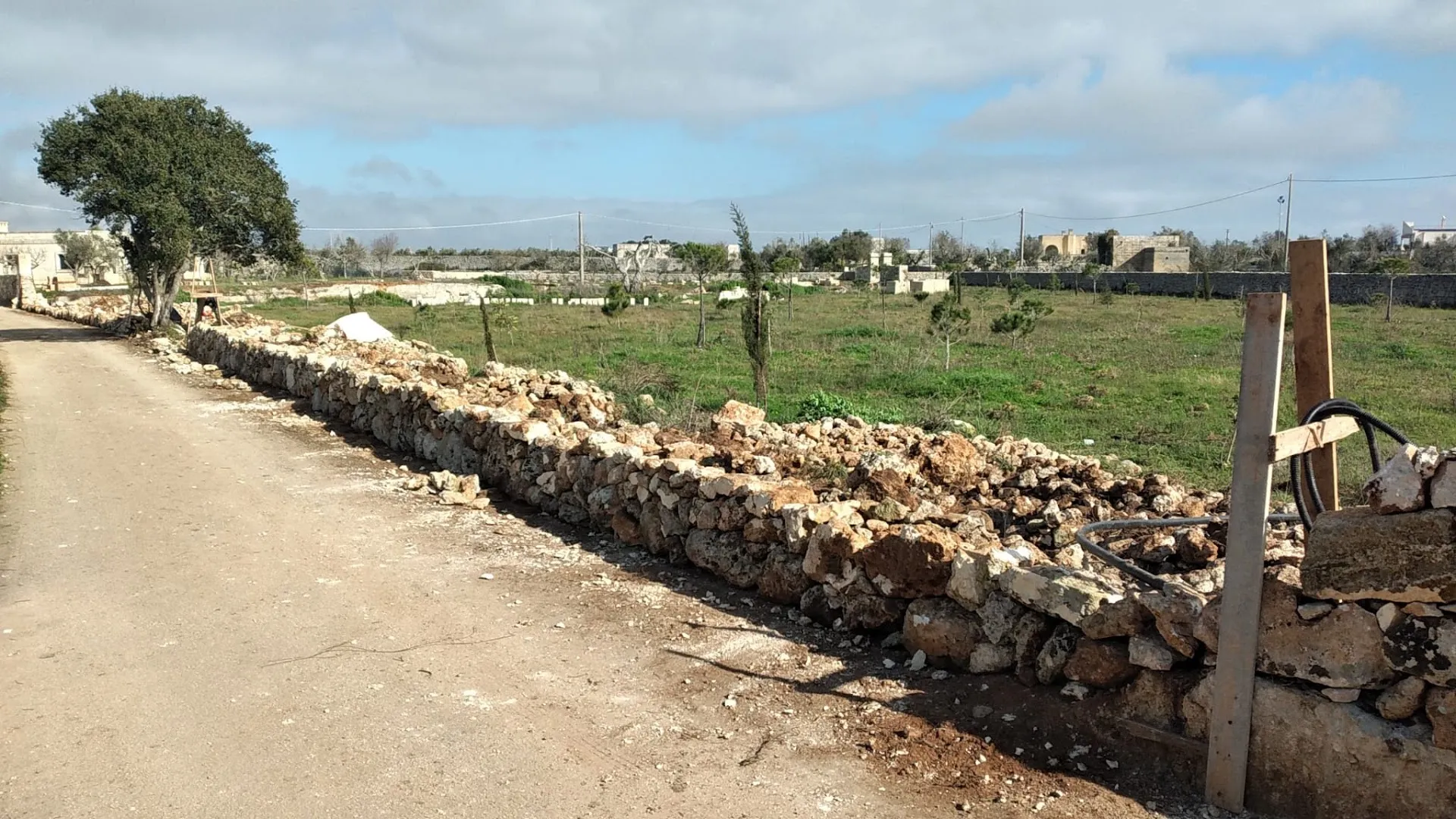
Dry-stone walls are a distinctive architectural feature of the rural landscape of Apulia and Salento. UNESCO has declared them Intangible Cultural Heritage of Humanity. The art of building dry-stone walls to enclose the countryside of Apulia and Salento has very ancient origins, and it arose for two fundamental reasons: clearing the land of the stones that surfaced in it, and the need to mark out its boundaries. Over the centuries, farming wisdom has learnt to make the most of these structures which, with their minimal impact on the ecosystem, stand as one of the earliest examples of perfect synergy between man and nature. As UNESCO also points out, these particular structures play a vital role in preventing landslides, floods and avalanches, in combating soil erosion and desertification, enhancing biodiversity and creating the best microclimatic conditions for agriculture. Our farmers had understood the importance of these structures and their ability to absorb the night-time moisture and then release it, drop by drop, at their base during the hottest hours of the day. That is why, in the past and still today, many different kinds of plants are set along them: above all fruit trees (especially figs), vegetables, vines... Planted at the foot of the dry-stone walls, they benefit from the constant moisture of the soil beneath all year round. Using the old building techniques and keeping the use of cement to a minimum, at Masseria Ferarelli Trepizzi we have restored and consolidated more than 1000 metres of dry-stone walls, which today form the main boundary of the property as well as the terraces between the different levels of the Mediterranean Garden.