Skip to content
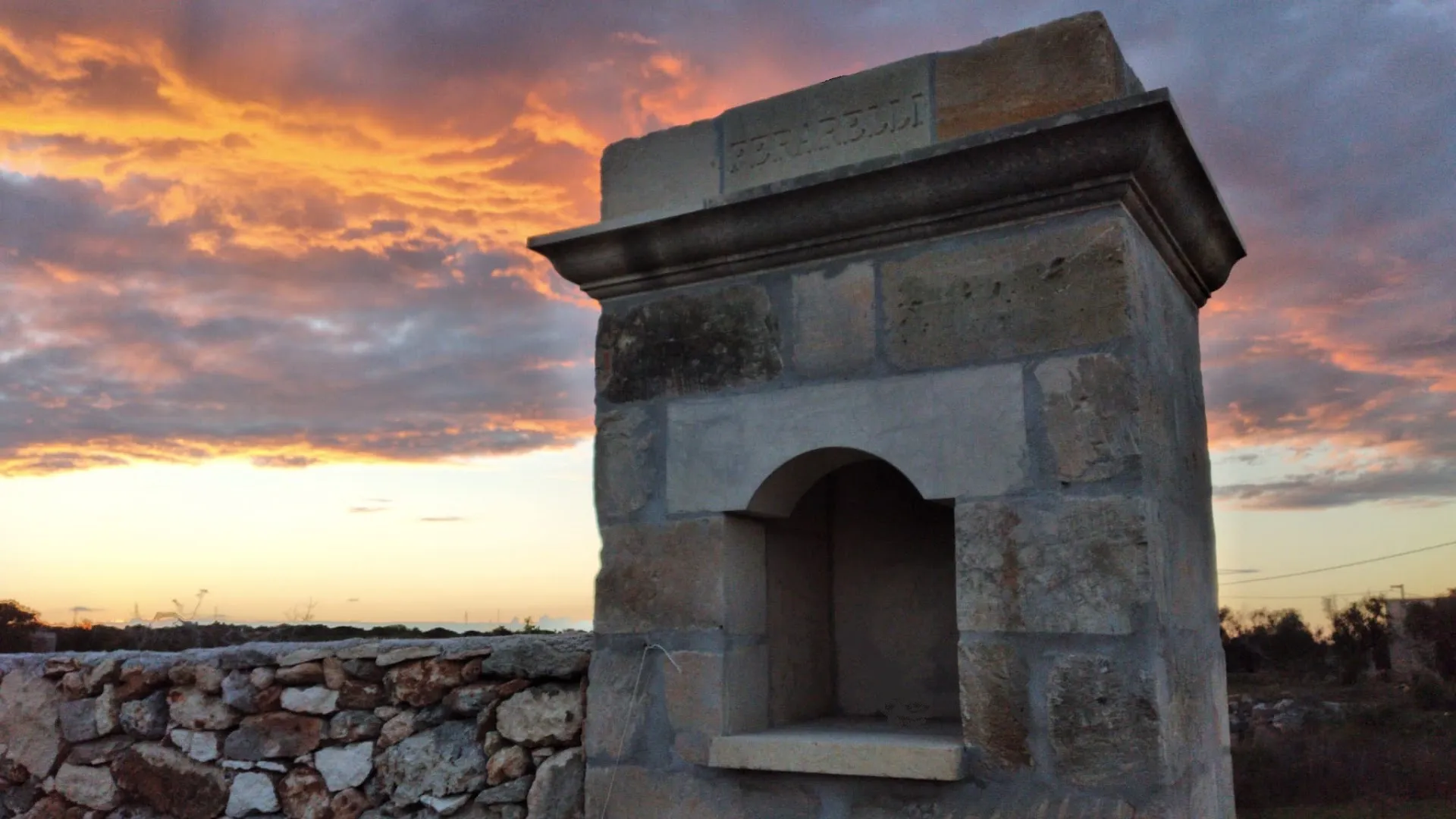
Masseria Ferarelli
Rural Experience

February 25, 2022

Rural Experience

Our claim “Rural Experience” says it all! During your stay at the masseria you can book one of our authentic experiences, which let you get to know the place and the destination through activities rooted in local customs. The experiences we have chosen to focus on, to help you discover the area better, are those linked to the countryside, its seasons and the food that can be made with the produce of the land and local specialities.

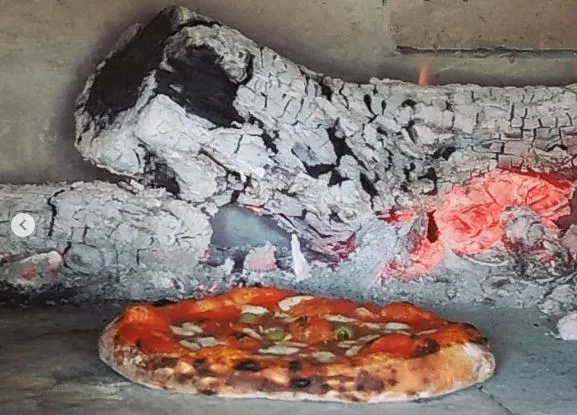
In the large outdoor patio of our masseria there is a traditional wood-fired oven in Pietra Leccese, perfect for pizzas and focacce as well as for baking the typical durum wheat semolina bread and traditional friselle. We also have a large barbecue, ideal for excellent grilled meat and fish. In this area we can organise - on request and at an extra charge - themed evenings such as bread-making courses, pizza or focaccia parties, small events and team building around food and wine, with dedicated specialist staff.

These cooking experiences can be followed by tastings of wines and typical dishes of the Apulian and Salento culinary tradition, prepared with strictly zero-kilometre local ingredients.

The experiences we can organise are:

Pizza & Focaccia Experience

Making Pasta Experience

Cicureddrhe Experience

Primosale & Ricotta Experience

Barbecue Experience

You might also like

The Rooms at the Masseria

The Rooms at the Masseria

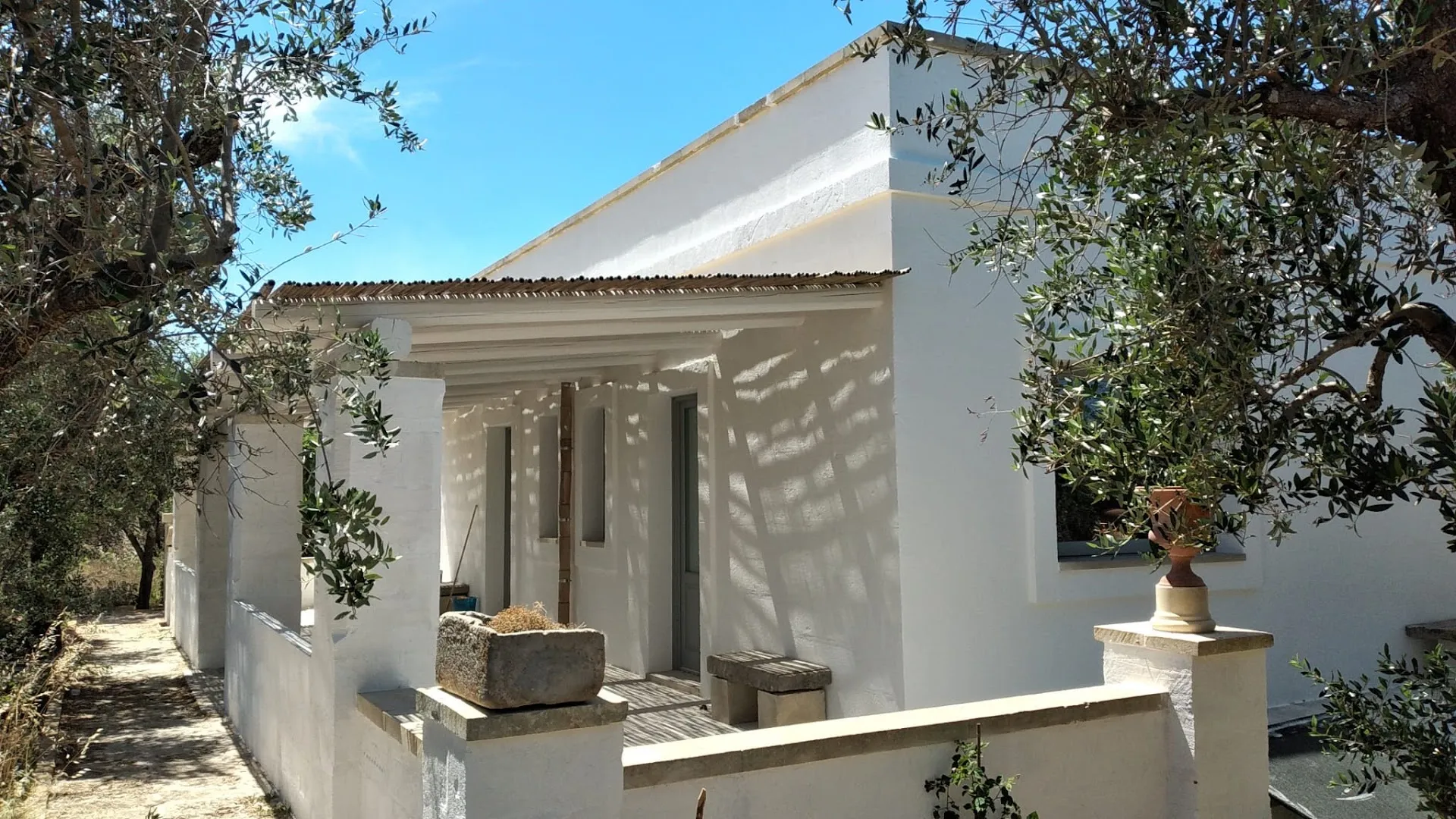
The Rooms: Masseria Ferarelli – Trepizzi currently has three rooms for its “temporary residents”. All of our rooms have a private bathroom with shower, TV, safe, kettle, tea and herbal tea station, wine cooler, an outdoor patio furnished with stone benches, table and chairs, and free Wi-Fi. The rooms can be taken by separate, independent families, giving each one adequate space and privacy, or (as they can be connected to one another) they can host a single large family or a group of families / friends who choose to share the whole property with all its indoor and outdoor spaces. For your masseria room booking you can choose from: Culummu Room This room of about 25 m² with private bathroom takes its dialect name from one of the fig varieties growing at the masseria. The Culummu room has a furnished private patio of about 25 m² and, with an extra bed, can sleep up to 3 adults. Rizzeddhra Room This room of about 25 m² with private bathroom takes its dialect name from one of the fig varieties growing at the masseria. The Rizzeddhra room has a furnished private patio of about 25 m² and, with an extra bed, can sleep up to 3 adults. Uttata Room The smallest of the three, this room of about 20 m² with private bathroom also takes its dialect name from one of the fig varieties growing at the masseria. The room has a small furnished terrace of about 15 m² overlooking the most secluded part of the property and can sleep 2 adults. Amenities in our Rooms Traditional Salento bed with “cisteddri” trestles and wooden boards King-size (Culummu and Rizzeddhra) and queen-size (Uttata) memory foam mattress Pure cotton sheets Handcrafted Salento textiles Pure cotton bath sheets and towels Shower / Hairdryer / Courtesy toiletries Indoor and outdoor Wi-Fi Satellite Smart TV / Safe Salento sideboard / Drinks and snacks corner

The Areas of Our Masseria

The Areas of Our Masseria

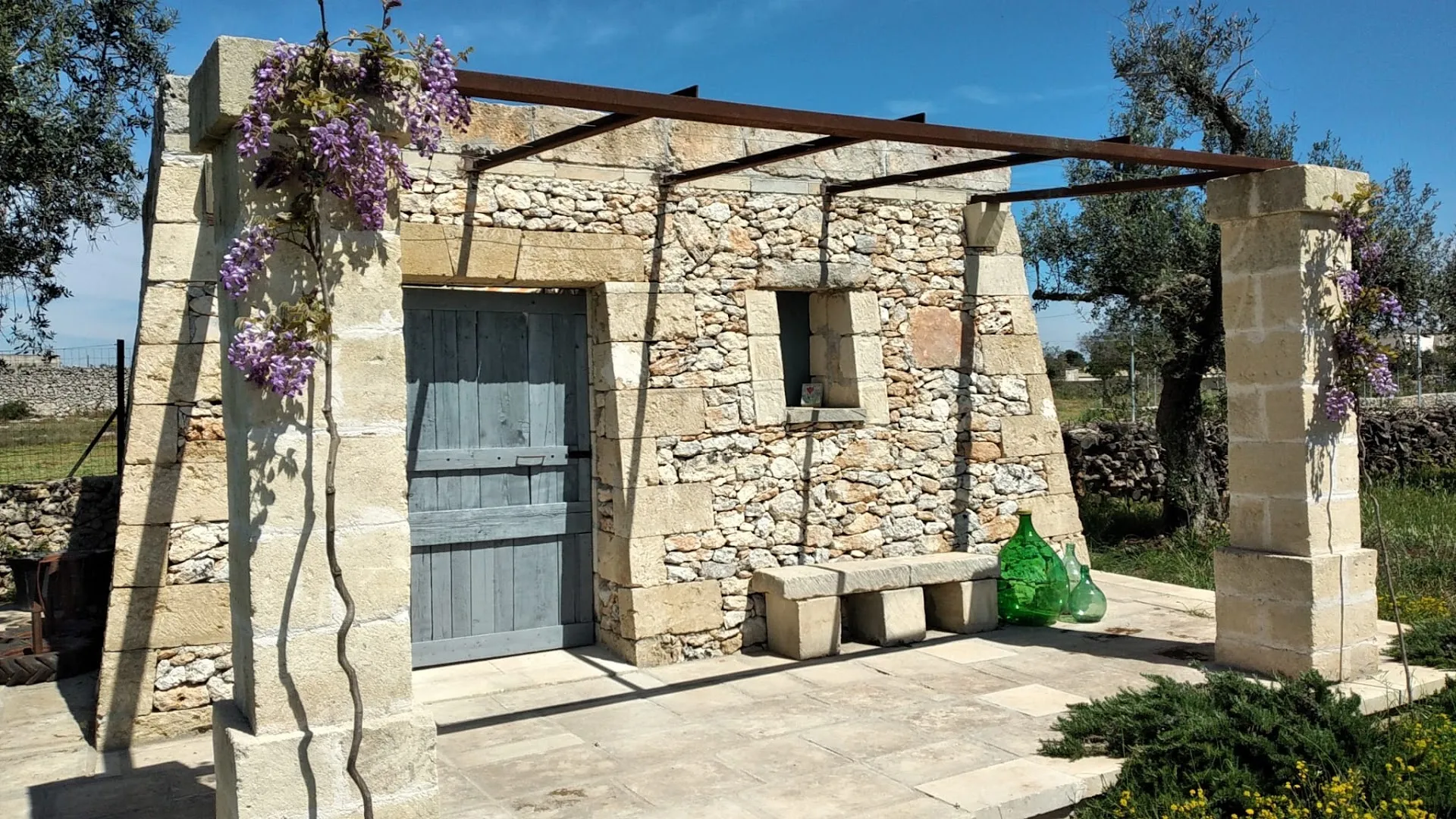
Masseria in Salento: the historic part (of which we have managed to preserve only a few sections) dates back to the early 1900s. It was laid out around a threshing floor with a well at its centre; the building was a country farmstead made up of a communal area with a large fireplace, which served as both dining room and sleeping quarters, and a larger building used at first as a tool store and stable and later as a warehouse for storing tobacco. This last building collapsed through disuse and was then rebuilt by salvaging and reusing the original materials (such as the fireplace, the stone benches, the old hand-cut Pietra Leccese blocks and the traditional “petti de palummu”, the corbels jutting out from the walls which in the past were used to support the beams and poles of canopies or to mark rights of use, known in dialect as “iussi”, from the Latin ius = right). The rest of the present building is more recent and was built using the most modern construction techniques, but with great care to showcase the materials and distinctive architectural features of the rural buildings in the area. Typical local materials and stones were used, above all Cutrofiano tufa, Carparo from Acquarica del Capo and the ever-present stone of Cursi and Corigliano, commonly known as Pietra Leccese or, in dialect, “liccisu”. The Threshing Floor: in the past this space played a very important part in social and economic life. Specifically, it was a place of work, used both for drying the produce of the land in the sun (above all figs and tomatoes) and for threshing and cleaning pulses and cereals, which, after being beaten to separate them from their dry pods, were “ientulati”. (On windy days they were slowly poured from a bucket held up high, so that after threshing the wind could separate the edible part – heavier – from the dry bits of pod – lighter and so carried away by the wind.) The Pergola with the Cistern: This part was completely rebuilt following the stories of Grandpa Toto, who remembered, as a child, “walking along a colonnade leading to the cistern, covered with pergolas of white pizzutella grapes and surrounded by flowers”. Following these clues, we found the opening of the cistern, sealed under some old stone blocks and hidden by brambles; around it we rebuilt the old “pistale” (the cistern mouth), the avenue and the pergola, which in perspective links back up with the old building. Here too we used salvaged materials, such as the old stone blocks from the cistern mouth, the small wrought-iron arch with its pulley (trozzula) and the iron beams that top the columns of the pergola and support the new pizzutella vines planted along the whole avenue in 2016. Alternating with the vines, we also planted various kinds of roses and Mediterranean scrub plants, above all rosemary, lavender and myrtle. Around the cistern we have recreated a small space with Pietra Leccese benches that can host small events for up to 20 people, for an open-air aperitivo or small business meetings, surrounded by the peace and quiet of the Salento countryside. The Pajara (or lu Pajaru): this typical stone building was built using the dry-stone technique and reinforced on the inside with tufa blocks to make it more welcoming. In its architectural form and in the materials used to build it, it faithfully reflects the typical structures dotted across the Salento countryside. Its name is also etymologically close to our family’s surname. In the past the structure served as a shelter for farm tools and as a store for straw and hay. Today it stands next to the orchard and has a small patio with two columns supporting the wisteria pergola, which, when in bloom, makes this corner of our masseria enchanting and fairytale-like.

The Etymology of Our Masseria’s Name

The Etymology of Our Masseria’s Name

The Masseria Ferarelli - Trepizzi property covers about 15,000 m² in the Vicinale Doleo area, within the municipality of Diso, in the Province of Lecce, equidistant from the small villages of Diso, Marittima and Andrano. Our masseria lies right on the edge of the Costa Otranto - Santa Maria di Leuca and Bosco di Tricase Regional Nature Park, just 3 km from the sea (the Acquaviva cove) and about 4.5 km from the little piazza of Castro Marina. The property is the result of joining two plots that were previously known as: Ferarelli (or Ferareddrhi): a local term that probably comes from the combination of the dialect word “fore”, meaning countryside, and “aricelli”, which refers to a small threshing floor used for threshing cereals but above all pulses, which have always been grown in this area and for a long time provided food and a living for the farming families of the area. The red clay soils found here favour the growing of pulses and give excellent yields. This plot has belonged to the Pagliara family for many generations and is still recorded in the land registry as a ficheto, that is, an area for growing figs; Trepizzi: in dialect this literally means “three points”, after the triangular shape of the plot, which is bounded by Via Vecchia Castiglione and Vicinale Doleo. This piece of land is very special because in its recent history, that is over the last 150 years, it has served a number of purposes, which we have been able to piece together from the stories of the local elders: for the last 30 years, until it was bought by its current owners, it lay completely abandoned and uncultivated, which allowed wild vegetation to take hold and an astonishingly concentrated biodiversity of Mediterranean flora to flourish across just a few thousand square metres; before that, the same land was used to grow tobacco, another vital source of income in Salento until the late 1970s and early 1980s. The shape of this land and of the neighbouring plots, however, leaves no doubt about what it once was: a quarry of limestone tufa blocks that were “zuccati” by hand (zoccu is the pickaxe, hence the dialect term zuccare, which literally means cut with a pickaxe) and used to build the old villages nearby. This plot was acquired by the Pagliara – Lisci family in 2018.